2026 Automotive Windshield Market Insights vol.1

Column Table of Contents
Hide
Introduction: Evolution from simple windshields to ‘intelligent interfaces
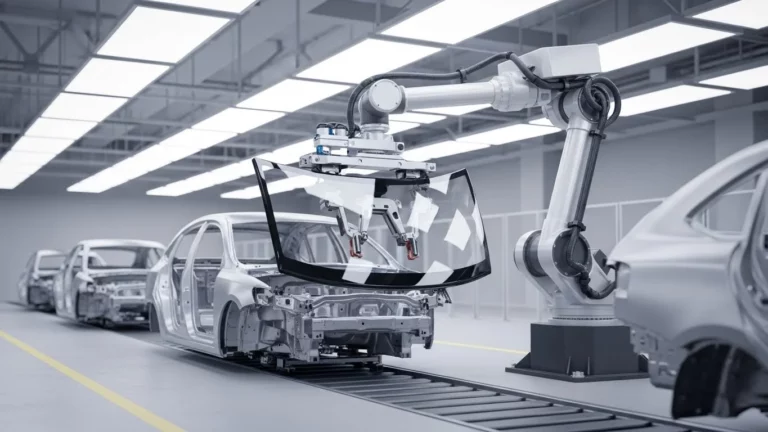
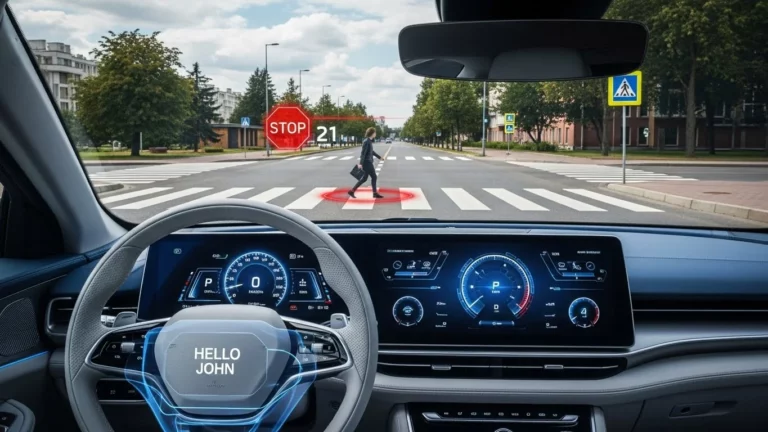
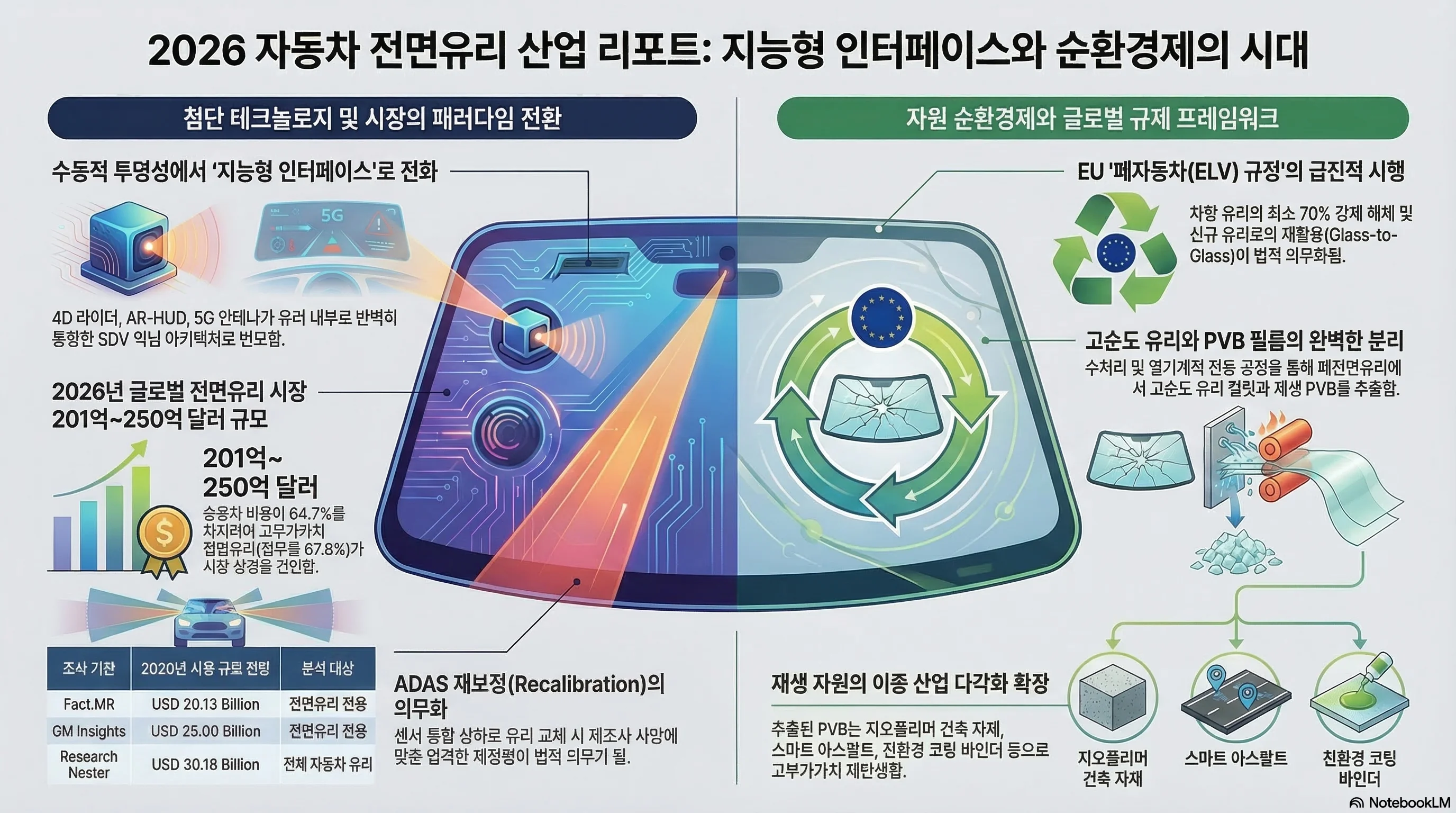
It's 2026, and the automotive windshield is evolving from a simple weather protection device to a core hardware architecture for software-driven vehicles (SDVs). Once ‘passive transparency,‘ windshields are now redefined as ’Intelligent Interfaces" that seamlessly integrate advanced driver assistance system (ADAS) sensors, augmented reality head-up displays (AR-HUDs), and 5G communications antennas.
With the proliferation of electric vehicle (EV) platforms, the area of the windshield (Glass-to-Body ratio) is structurally increasing, and with increasing functional complexity, the technical barriers to entry in the manufacturing and replacement markets are unprecedentedly high. To provide the best solutions for our B2B partners and customers DaondaAutomotiveGlassin-depth analysis of the three key trends driving the global automotive windshield market in 2026.
——————————————————————————–
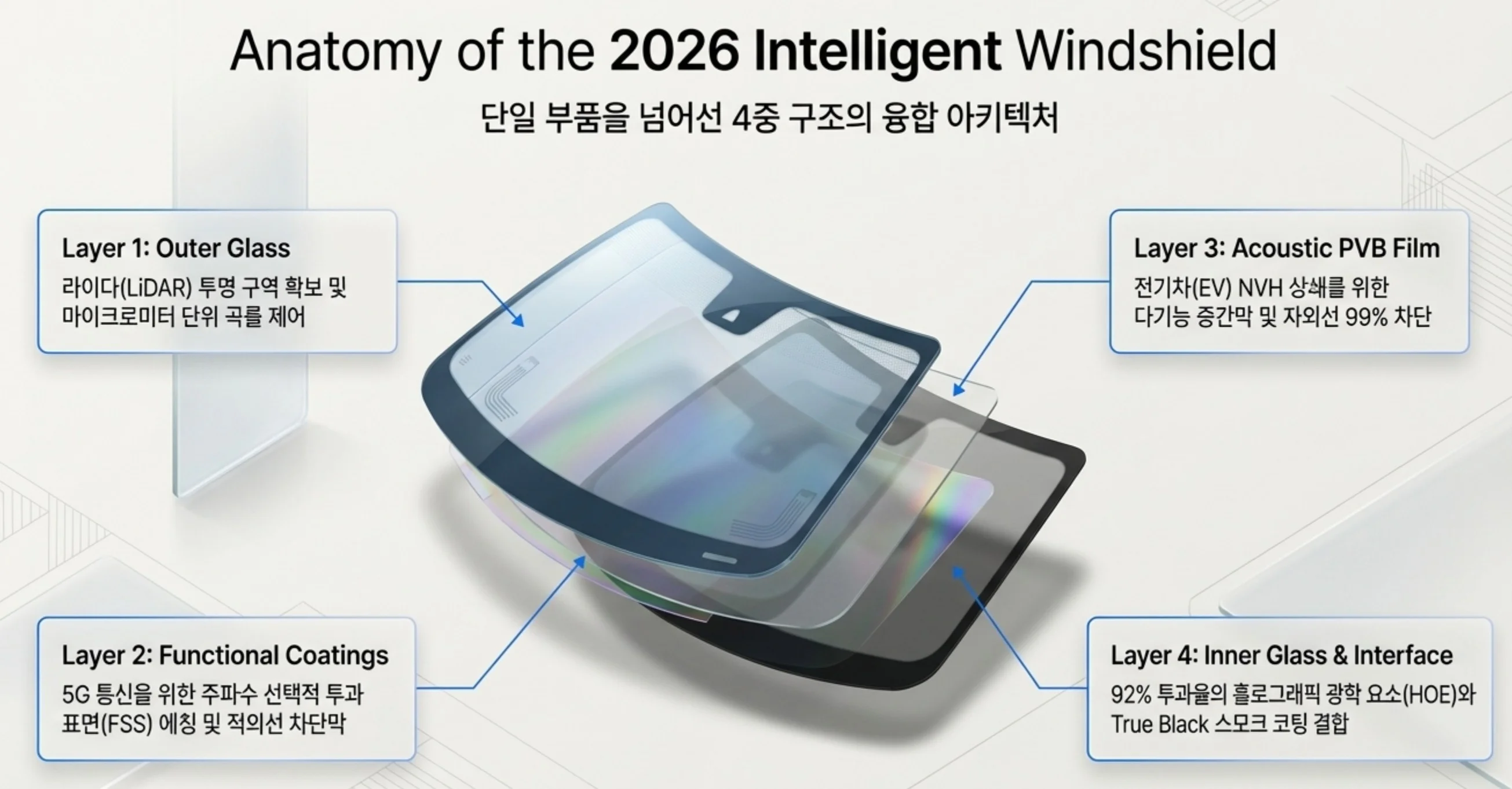
💡 â [Bird's eye view of windshield multi-layer fusion technology]. (Image description: outer glass, acoustic/thermal PVB film, 5G antenna etching, inner glass, and LiDAR sensor and AR-HUD holographic projection through the glass)
1. Next-Generation Windshield Technology: Sensor Convergence and Optical Design Revolution
With the advancement of automated driving level 3 (SAE L3) and beyond, the windshield has become a prime mounting space for advanced sensors.
- 4D LiDAR windshield integration: Previously mounted on rooftops, lidars have moved to behind-the-windshield integration to reduce aerodynamic drag. Aeva's ‘Aeva Atlas™ Ultra’ 4D lidar system, for example, is fully integrated inside the windshield to detect distance information and even the subtle speed of the target. This is achieved with an ultra-precise optical design that controls the curvature of the glass and the thickness of the multi-layer film to the micrometer.
- Holographic Windshield Display (AR-HUD): The entire windshield functions as a giant transparent infotainment interface. A QuadAlliance of Saint-Gobain Sekurit, ZEISS, and others has commercialized a technology that leverages holographic optical elements (HOEs) with transmittance of more than 921 TP3T to bring 4K resolution 3D holograms into the front field of view.
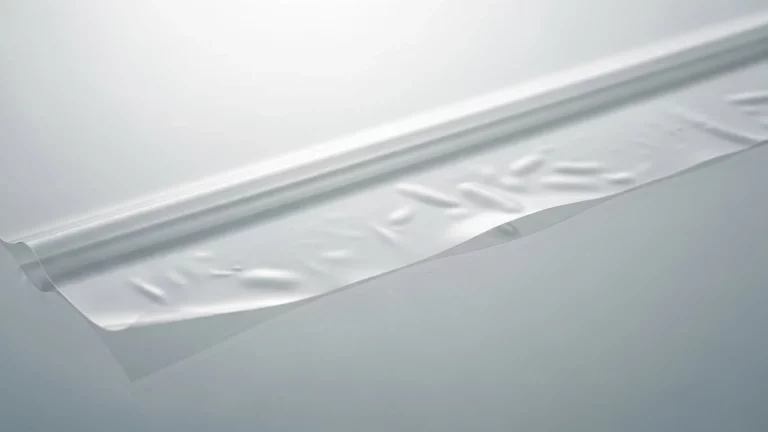
- Acoustic PVB and EV optimization: To overcome the disadvantages of EVs without engine noise, Acoustic PVB film has become essential to block external road noise and wind noise. It not only blocks noise by 5-8 dB, but also blocks 99% of ultraviolet light and 80% of infrared light to maximize EV battery efficiency.
——————————————————————————–
2. Explosion of complexity in the glass replacement (AGR) market and mandated ‘ADAS recalibration
Technological advancements in automotive glass have expanded the global automotive glass replacement (AGR) market to an estimated $44.24 billion by 2026, but this is not just quantitative growth - it comes with a significant challenge: service sophistication.
The biggest buzzword is undoubtedly ‘ADAS Recalibration’. Sensors such as lidar, cameras, and radar can cause catastrophic data errors that can lead to catastrophic accidents, even if it's just a few millimeters of refractive index error when replacing glass or a slight distortion in the adhesive curing process.
- Adopt strong legal regulations: The U.S. states of New York and Massachusetts require strict recalibration to vehicle manufacturer (OEM) specifications when replacing glass, and the world's only automotive glass replacement safety standard, the Automotive Glass Replacement Safety Standard (AGRSS) Legislation has been enacted to mandate compliance, with sanctions strong enough to suspend vehicle registration for non-compliance.
In the future, only specialized networks with precision calibration infrastructure and skilled, certified technicians will survive in the AGR market of 2026 and beyond and earn the trust of insurers and B2B partners.
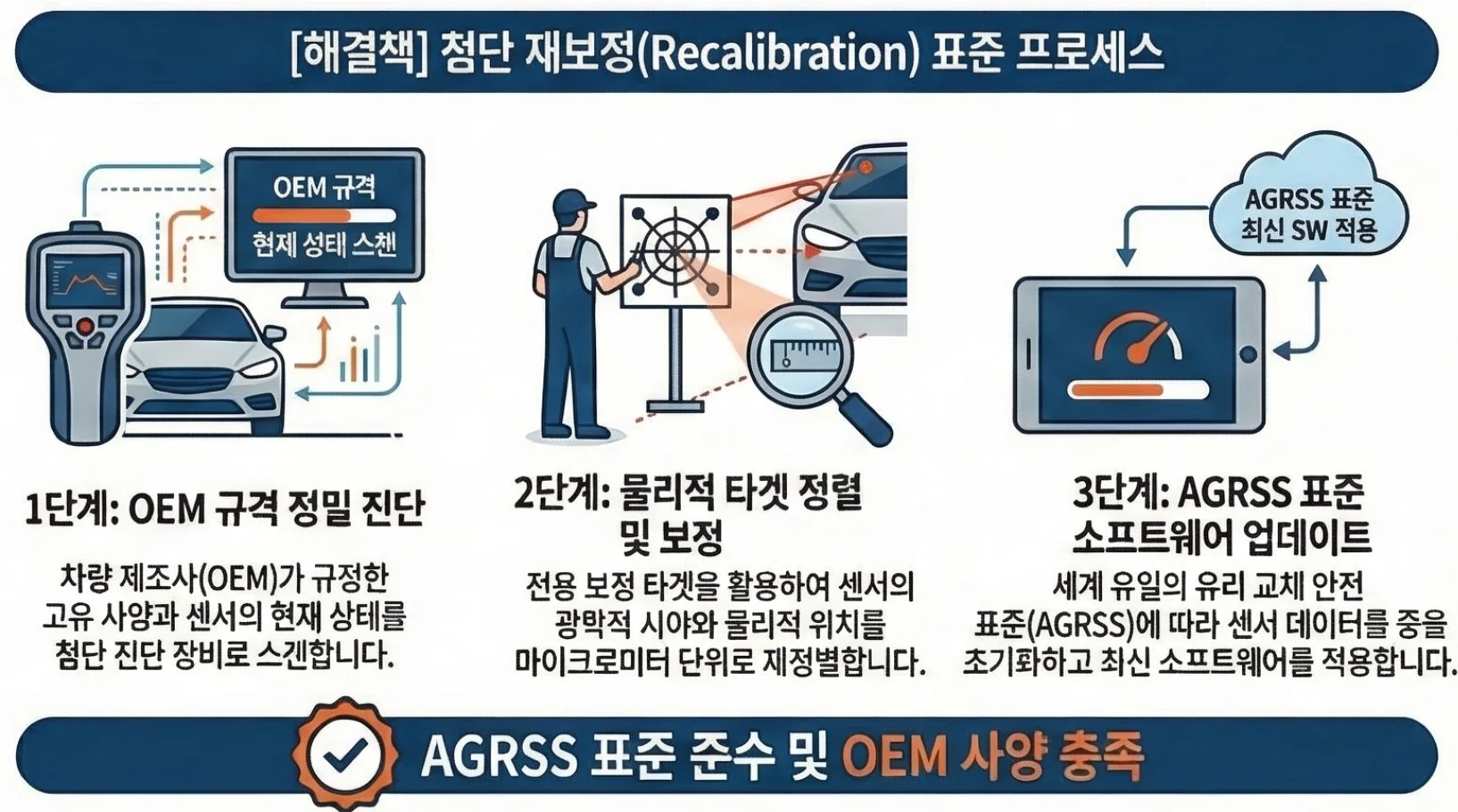
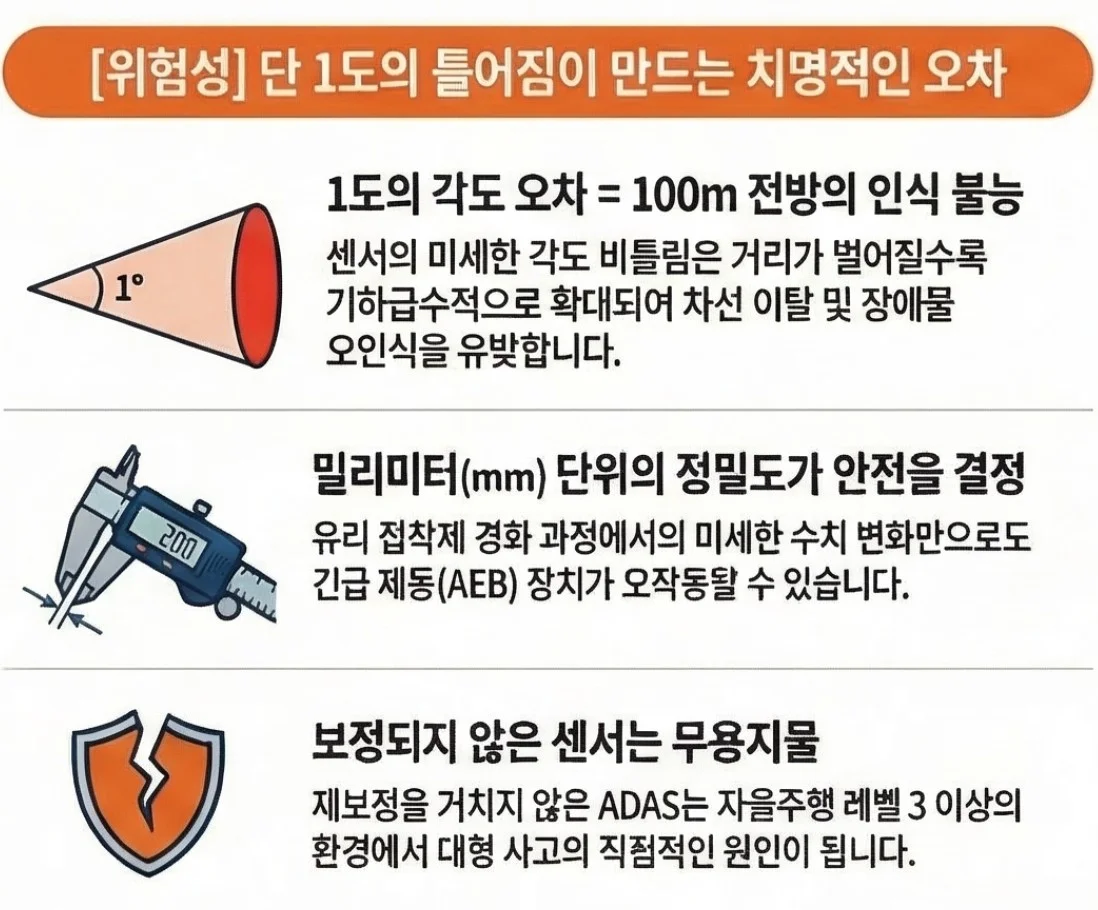
💡 â [Importance and risks of ADAS recalibration]. (Image caption: Visualization of the enormous margin of error that a one-degree sensor warp can have on lane recognition 100 meters ahead, and Daonda's advanced recalibration process)
——————————————————————————–
3. Regulation Driven Resource Circular Economy: The Glass-to-Glass Renaissance
The most disruptive change to hit the global glass industry in 2026 is the ‘circular economy’. Automotive glass, once a landfill, has been transformed into a ‘key resource" amid strong regulatory and ESG pressures.
- Increasing global environmental regulations: The new end-of-life vehicle (ELV) regulations in the European Union (EU) require that in-vehicle glass be replaced with Forced dismantling of at least 70%sIn North America, recycling from glass to glass has also become legally mandatory with the introduction of producer responsibility recycling (EPR), which puts the responsibility for the product's lifecycle squarely in the hands of the producer.
- Breakthroughs in separation technology: The strongly adhesive polyvinyl butyral (PVB) interlayer, which has been a major recycling challenge, can now be cleanly separated using advanced water soaking and thermomechanical vibration. Chemical and molecular recycling technologies are also breaking down mixed plastics into molecules that can then be recycled into ultra-high-quality resins.
- Diversify resources across industry boundaries: The extracted waste glass (Cullet) and recycled PVB are not only used as raw materials for new windshields for automobiles (GlassLoop project), but also have a wide range of applications in different industries, from architectural geopolymer mortars with dramatically improved strength, eco-friendly smart asphalt pavements, carpet backing materials and renewable solar panels, creating huge added value.
💡 â [ 3: Windshield Resource Recycling (Circular Economy) Loop] (Image caption: Collection of broken windshields → special separation process (glass and PVB) → melt-input of new windshields from recycled glass (Cullet) and recycling of recycled PVB into construction/road materials → manufacturing of finished vehicles - an eco-friendly closed-loop)
——————————————————————————–
Conclusion: Daonda Auto Glass' vision of the future in 2026.
In 2026, the automotive windshield industry has been completely transformed into a high-tech convergence industry that combines ‘high-precision optical sensor technology‘ and ‘low-carbon resource circulation mechanisms.‘ Amidst the complexity of advanced glass and stricter safety and environmental regulations, the role of partners who go beyond simply ‘replacing" glass to perfectly "calibrating" and "recycling" it is more important than ever.
DaondaAutomotiveGlasswill be at the forefront of this paradigm shift, providing the safest and most sustainable smart windshield total solution for B2B enterprise customers and automotive partners with our complete ADAS calibration technology and compliance with global safety standards. Together, we will safely unlock the future of mobility.
——————————————————————————–
This column is based on the latest global automotive glass industry in-depth report and market research data to 2026.
Share to social accounts