
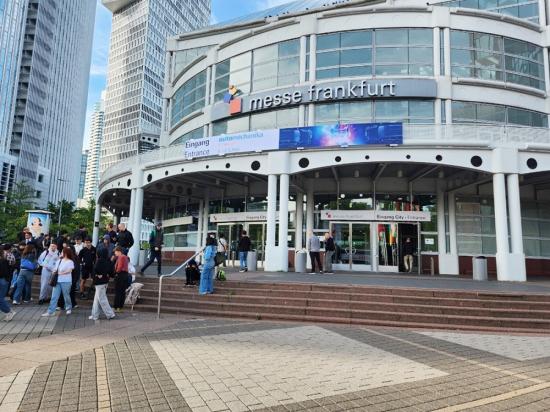
Daonda Auto Glass Attends ‘Automechanika Frankfurt 2026’… Strengthens High-Tech Maintenance Capabilities

Daonda Auto Glass Co., Ltd., a brand specializing in automotive glass repair and replacement, announced that following its participation in ‘Automechanika Frankfurt 2026’—the world’s largest automotive parts and aftermarket exhibition held in Germany from September 8 to 12— “Automechanika Frankfurt 2026,” held in Germany from September 8 to 12, and announced that it has begun refining its installation manuals to align with the future mobility landscape.
Automechanika, held at Messe Frankfurt in Germany, is a specialized business trade show where leading global automakers, engineering firms, and maintenance equipment companies showcase the latest technologies and solutions for the aftermarket industry.
Officials from Daonda Auto Glass stated that at this exhibition, they ▲examined the ecosystem for precise ADAS (Advanced Driver Assistance Systems) calibration in response to the proliferation of SDVs (Software-Defined Vehicles) and autonomous driving, ▲Changes in maintenance technology driven by the widespread adoption of electric vehicles (EVs), among other key topics in the global aftermarket.
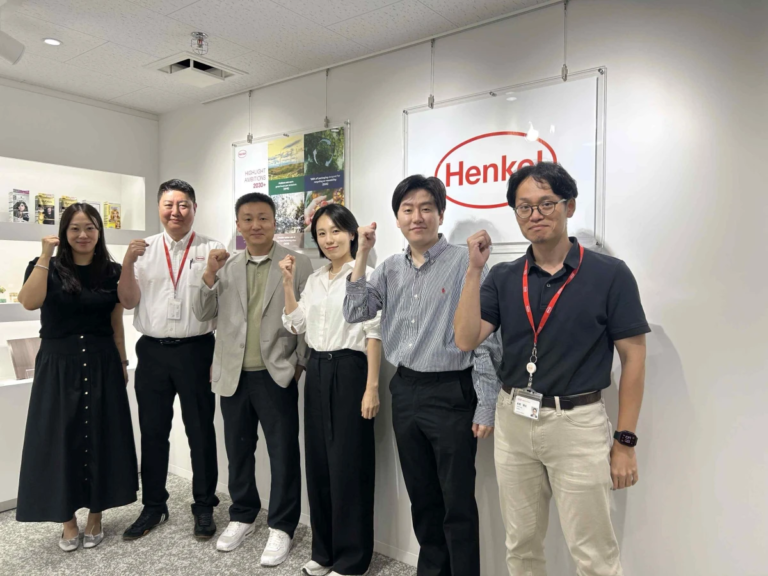
In particular, during the site visit, the delegation visited the official MAHLE exhibition booth alongside Zero Corporation—the official domestic distributor of MAHLE, a global automotive parts and maintenance solutions company—to review the lineup of digital ADAS measurement equipment. At the event, the two sides held their first in-person meeting and engaged in working-level discussions regarding the introduction of advanced equipment.
In the domestic market as well, with the rapid increase in new vehicles equipped with front-facing cameras and various sensors on the windshield, the ‘calibration’ process—which goes beyond simple damage repair to precisely readjust the sensors’ zero points—has established itself as a core technology for safe driving. Accordingly, Daonda Auto Glass plans to supplement its standard work guidelines by incorporating European automotive repair standards and advanced measurement expertise into its domestic franchise locations.
An official from Daonda Auto Glass stated, “We have confirmed that the auto glass repair market is shifting from simple cosmetic restoration to the maintenance of precision sensor systems,” adding, “We will swiftly incorporate the technical insights gained from our operations in Europe into the training and installation processes of our nationwide franchise network to strengthen the technical competitiveness of the domestic auto glass repair industry.”.
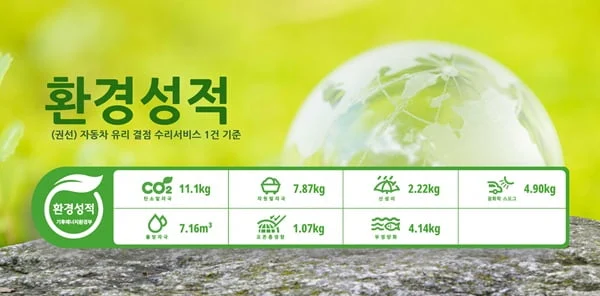
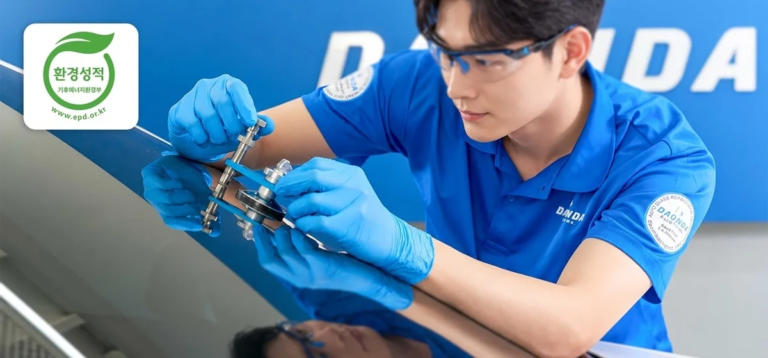
Meanwhile, Daonda Auto Glass is continuously expanding its high-tech repair capabilities to keep pace with the future mobility landscape, where autonomous driving sensors and high-performance glass are integrated. Through its eco-friendly ‘Repair First’ policy—which prioritizes glass repair over unnecessary part replacements—the company is contributing to reduced carbon emissions and resource recycling. It is also working to refine standard installation processes and strengthen quality verification systems across its nationwide network of franchise locations.